World
European Pesticide Brands Linked to Over 1,600 Poisoning Cases in Brazil
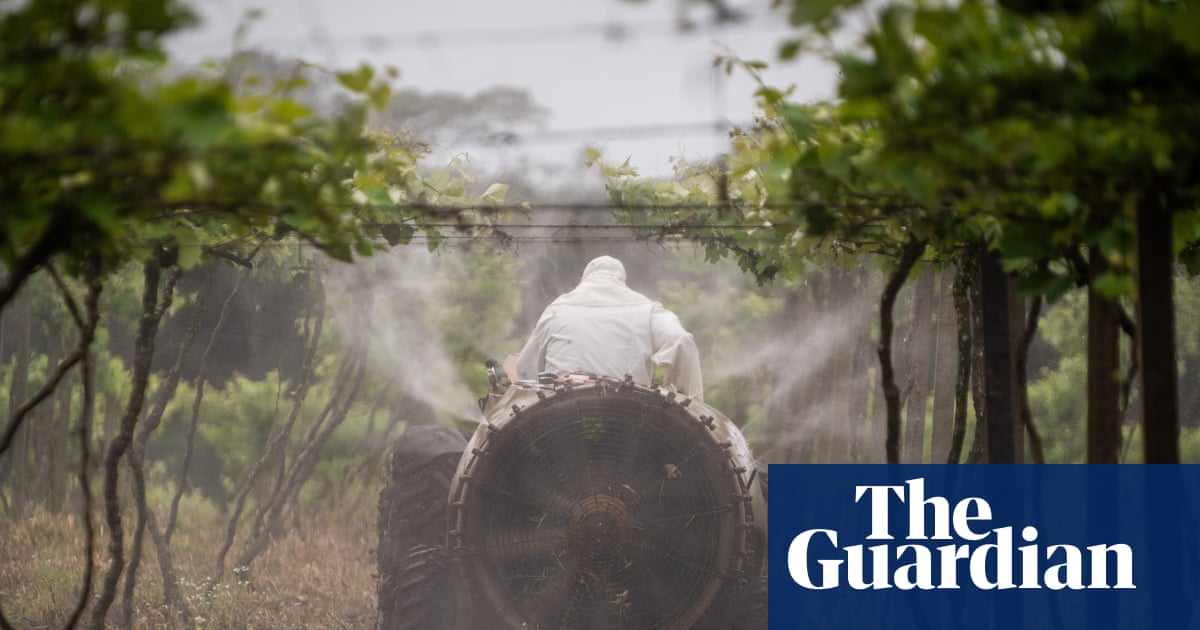
An investigation found that pesticides sold by European chemical companies were named in more than 1,600 poisoning reports in Brazil last year. Of 2,857 reports that identified an agricultural product, 1,605 mentioned brands sold by European pesticide firms. About a third of these cases involved chemicals banned for farm use in the EU due to health and environmental risks. European companies are not prohibited from manufacturing such chemicals; they may export them to countries where they are legally permitted.
Farm workers in Brazil have reported severe symptoms such as flesh rotting, skin burning, breathing difficulty, vomiting, and in some cases accidental deaths or suicides involving pesticide ingestion. Under Brazilian law, healthcare professionals must submit reports to the national disease notification system for suspected pesticide poisoning. These reports can be labeled “confirmed” or “exposure” by the treating clinician. Laboratory confirmation is rare, so diagnoses often rely on clinical judgment. Experts note that insufficient training and support for clinicians limit the confirmation of cases.
In the 6,700+ medical reports involving agricultural pesticides last year, 2,857 named a specific product. Of those, 1,420 were confirmed poisonings, 1,108 were exposures, and the remainder were unknown or other diagnoses.
Several products were highlighted. Reglone, a UK-made weedkiller containing diquat (banned in the UK in 2020), was manufactured by Swiss‑headquartered Syngenta in Huddersfield for export to permissive markets, including Brazil. A 2023 death of Nelson Castoldi in Rio Grande do Sul was linked to accidental ingestion of Reglone. The Brazilian health ministry recorded 75 diquat cases last year, including 44 reports naming Reglone, with four deaths.
Dormex, a German pesticide produced by Alzchem and distributed by BASF, was cited in reports of injuries. Sidnei Souza de Oliveira suffered severe leg damage after a spill of Dormex, which contains cyanamide (banned in the EU in 2008). The ministry recorded 17 confirmed Dormex poisonings last year.
Other products mentioned included Finale (glufosinate, banned in the EU in 2018) and Roundup (glyphosate, manufactured by Bayer). Roundup was frequently cited, including 12 deaths.
Across all reports involving European‑sold products, 32 deaths were recorded, 31 confirmed poisonings and 26 suicides. Syngenta products were named 425 times, BASF 179 times.
Greenpeace UK campaigner Nina Schrank called the findings a “deadly double standard,” urging that chemicals dangerous in Britain should not be exported.
European pesticide approval systems require strict health and environmental standards. Diquat has been banned on EU and UK farms since 2019 and 2020, respectively. Cyanamide was withdrawn after assessments found exposure could exceed safe levels. Glufosinate is classified as toxic to reproduction.
Syngenta responded that Brazil’s regulatory system is robust and that products banned in Europe can be independently assessed and legally registered in Brazil. The company noted that almost half the Brazilian cases attributed to it were not confirmed poisonings and criticized the investigation’s selective interpretation.
Bayer stated its products are safe when used as directed, citing rigorous testing and global health authority assessments. The company questioned the data’s reliability, noting possible misidentification of chemicals and symptoms that could have other causes.
BASF expressed concern over poisoning reports potentially linked to its products, noting that some incidents may involve intentional ingestion. The company maintains procedures to investigate incidents, invest in education and training, and emphasizes that its products are safe when used according to label instructions and applicable regulations.