World
US Intelligence Warns Iran May Plan Dirty Bomb or Chemical Attack on Washington Officials
By Ayush Pandey
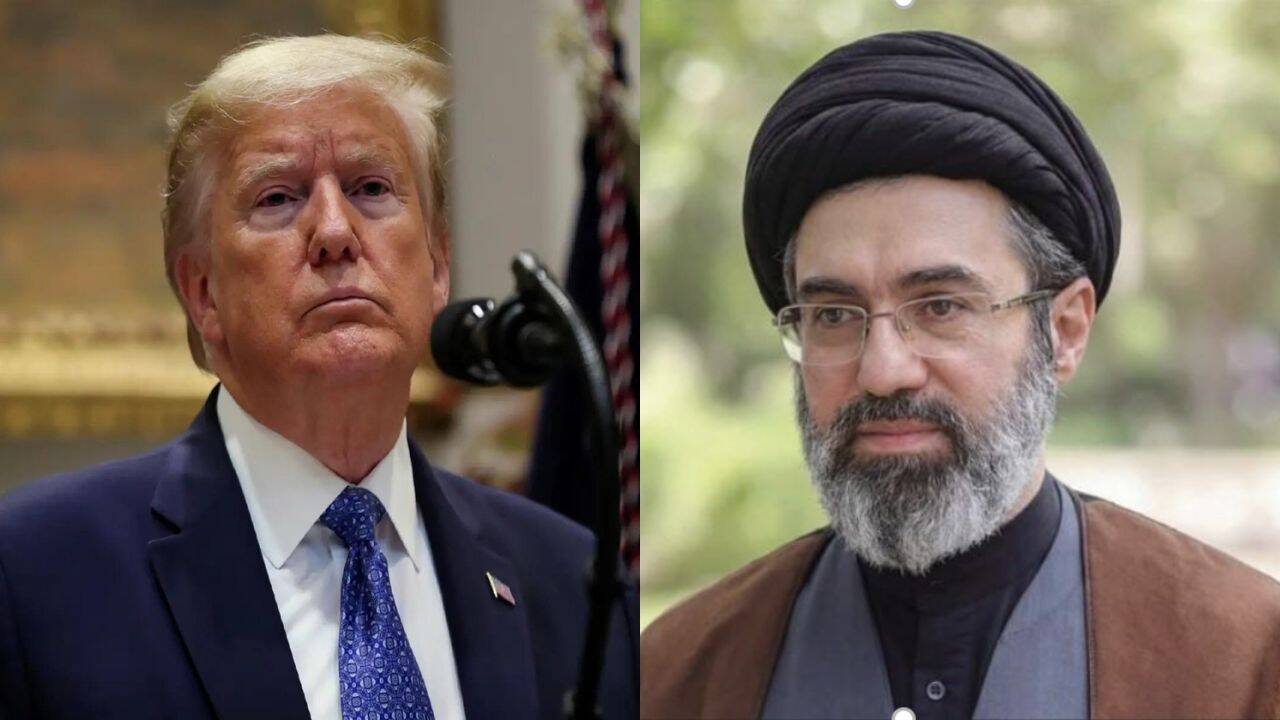
US intelligence reports that Iran is developing contingency plans to target senior Trump administration officials in Washington, D.C., with a radioactive dirty bomb or chemical weapons, CNN said, citing seven officials familiar with the intelligence. The intelligence identifies specific potential locations and targets in the capital, prompting U.S. authorities to enhance contingency planning. Officials told CNN that the preparations do not necessarily indicate an imminent attack or a decision by Tehran to execute such a plot. The White House said the administration is monitoring potential threats but maintained that there is no immediate credible threat to the U.S. mainland. White House spokesperson Lauren Bis said the U.S. is “monitoring any and all potential threats, but at this time there are no credible threats to the homeland.” CNN reported that U.S. officials view the intelligence as a possible sign that Tehran is considering escalating the conflict beyond the Middle East amid continued American military pressure and an economic blockade. “Whether they actually have the personnel in place to execute is a matter of debate,” one source told CNN. Two officials said several meetings had been held over the past week to discuss countermeasures. One source described the preparations as “prudent.” The intelligence comes amid stalled diplomatic efforts to end the conflict between Washington and Tehran. President Donald Trump said last week that the war would be over “fairly soon,” even as tensions continued around the Strait of Hormuz. U.S. intelligence has also suggested that bomb‑making materials may have been stored inside the United States. Officials are divided over the credibility of this information. Some national security officials believe radioactive materials or chemical agents capable of being used in an attack could already have been positioned inside the country. “As porous as our border has been for the better part of ten years, it would have been extremely easy to get operatives inside the country” who could acquire and place bomb components, one source close to the intelligence told CNN. Another source said Iran’s ability to carry out such an attack had not necessarily increased, but its incentive to consider one may have changed. The concerns come against the backdrop of previous Iranian plotting against current and former American officials, including an alleged murder‑for‑hire plot against Trump in 2024. A dirty bomb is a conventional explosive device designed to spread radioactive material over an area. Unlike a nuclear weapon, it does not rely on a nuclear fission reaction and does not produce a nuclear explosion. Although a dirty bomb is considerably less destructive than a nuclear weapon, it can disperse radioactive material and contaminate surrounding areas, creating public health and security concerns. The immediate casualties from such an explosion would generally result from the conventional blast, while the radioactive material could create additional contamination risks. A source familiar with the latest intelligence told CNN: “Any weapon like that is a weapon of terror, not a weapon of precision, just like a suicide bomber blowing themselves up. They can make people really sick and certain areas uninhabitable.” American officials believe that acquiring radioactive material would be one of the main challenges in assembling such a device. The U.S. intelligence assessment has also raised questions about the country’s ability to detect potential plots before they are carried out. The reported threat comes amid uncertainty over a key U.S. surveillance law that allows authorities to collect communications involving foreign nationals. The law expired in June following a political standoff between the White House and Congress. Surveillance orders approved before its expiry remain valid until March 2027, but national security officials have warned that the loss of the provision could weaken their ability to identify potential terrorist plots. Attorney General Todd Blanche, Director of National Intelligence Jay Clayton and CIA Director John Ratcliffe wrote to Republican and Democratic leaders of both chambers last week, urging them to reauthorise the law. In their letter, the officials argued that delays would “(put) the lives of both Americans in the homeland and our troops stationed abroad at risk in the heightened threat environment briefed to the Gang of 8.” The Gang of 8 comprises the four congressional leaders and the bipartisan leadership of the House and Senate Intelligence Committees. The lawmakers had received a briefing on Iran several days before the letter was sent, but it remains unclear whether the briefing specifically covered the alleged dirty bomb or chemical weapons threat to Washington. The Defense Department referred questions to the Office of the Director of National Intelligence, which declined to comment. The Iranian Mission to the United Nations in New York rejected allegations involving chemical weapons but did not directly address the reported intelligence about a potential dirty bomb plot. In a statement, an Iranian Mission spokesperson said Iran “considers the use of chemical weapons under any circumstances to be wholly illegitimate and categorically rejects and unequivocally refutes the false and fabricated allegations circulated in this regard.” Separate concerns over chemical attacks on U.S. troops: American intelligence agencies are also monitoring information suggesting that Iran could consider using chemical weapons against U.S. troops stationed in the Middle East. Several U.S. officials have raised concerns that American troops may not have adequate protective equipment or training to respond to such an attack. The intelligence has prompted a separate contingency planning exercise focused on ensuring that American diplomatic and intelligence personnel in the region have the necessary protective equipment and training. One source familiar with the latest intelligence told CNN that preparations were underway to protect personnel in the event of an Iranian chemical weapons attack. The reported threats come as Washington and Tehran remain locked in a conflict centred around the Strait of Hormuz, with diplomatic efforts to end hostilities and lift the American blockade yet to produce a breakthrough. Although sources in the region believe both sides are interested in reaching an agreement, neither has so far appeared willing to make major concessions. A regional source told CNN that the coming weeks would be critical for negotiations and warned that certain groups could attempt to derail any potential agreement. The source identified Iranian hardliners and rogue elements within the regime as possible spoilers, suggesting that groups that have benefited from the conflict could have an incentive to launch an attack to prolong hostilities. A U.S. official told CNN that Iranian leaders understand the consequences of using chemical or radioactive weapons against American targets, including the possibility of a retaliatory response from Washington. However, the official cautioned that if Iran’s leadership begins to view the survival of its regime as being at stake, it could consider taking risks that would otherwise be unacceptable.