World
Court Blocks DHS Proposal to Limit Time Foreign Students, Scholars, and Journalists Can Stay
By PTI
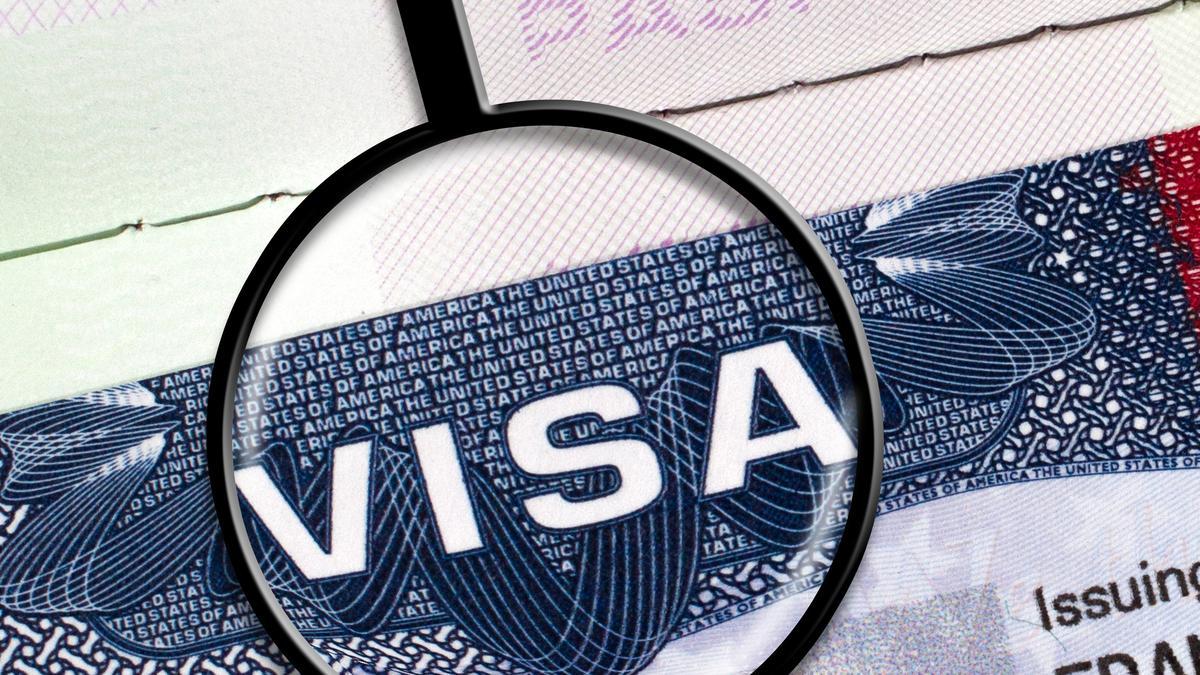
A federal judge in Boston has rejected a Trump‑era policy that would have capped the duration of F‑1 student visas, J‑1 scholar visas and journalist visas. The U.S. Department of Homeland Security had proposed in July that foreign students could not remain in the United States for more than four years unless they received federal approval. Judge F. Dennis Saylor ruled on November 16, 2026 that the proposal was "arbitrary, capricious, an abuse of discretion, and otherwise not in accordance with law." He noted that the statute does not grant DHS broad authority to undermine the F‑1 visa program.
The rule also would have cut the maximum stay for foreign journalists from several years to 240 days, and to 90 days for Chinese journalists. It would have shortened the grace period after studies or post‑completion Optional Practical Training from 60 days to 30 days, and imposed a 24‑month aggregate limit on language program stays.
The Foundation for India and Indian Diaspora Studies welcomed the decision, saying it protects the future of American science, technology, research, and innovation. Miriam Feldblum, president and CEO of the Presidents' Alliance on Higher Education and Education and a lead plaintiff, called the ruling a clear victory for international students, scholars and the institutions that host them. Fanta Aw, Executive Director and CEO of NAFSA: Association of International Educators, said the judge’s decision sends an unequivocal message that the longstanding Duration of Status policy is preserved.
In September, Judge Saylor had granted a preliminary injunction against a DHS rule that would have ended the long‑standing policy allowing foreign students and journalists to stay in the U.S. for the length of their programs rather than a fixed period. The DHS appealed that order to the First Circuit and requested a 30‑day pause on the appeal on November 3, as a final judgment was expected soon.