India
Jharkhand Woman Returns Home After Omani Detention and False Accusations
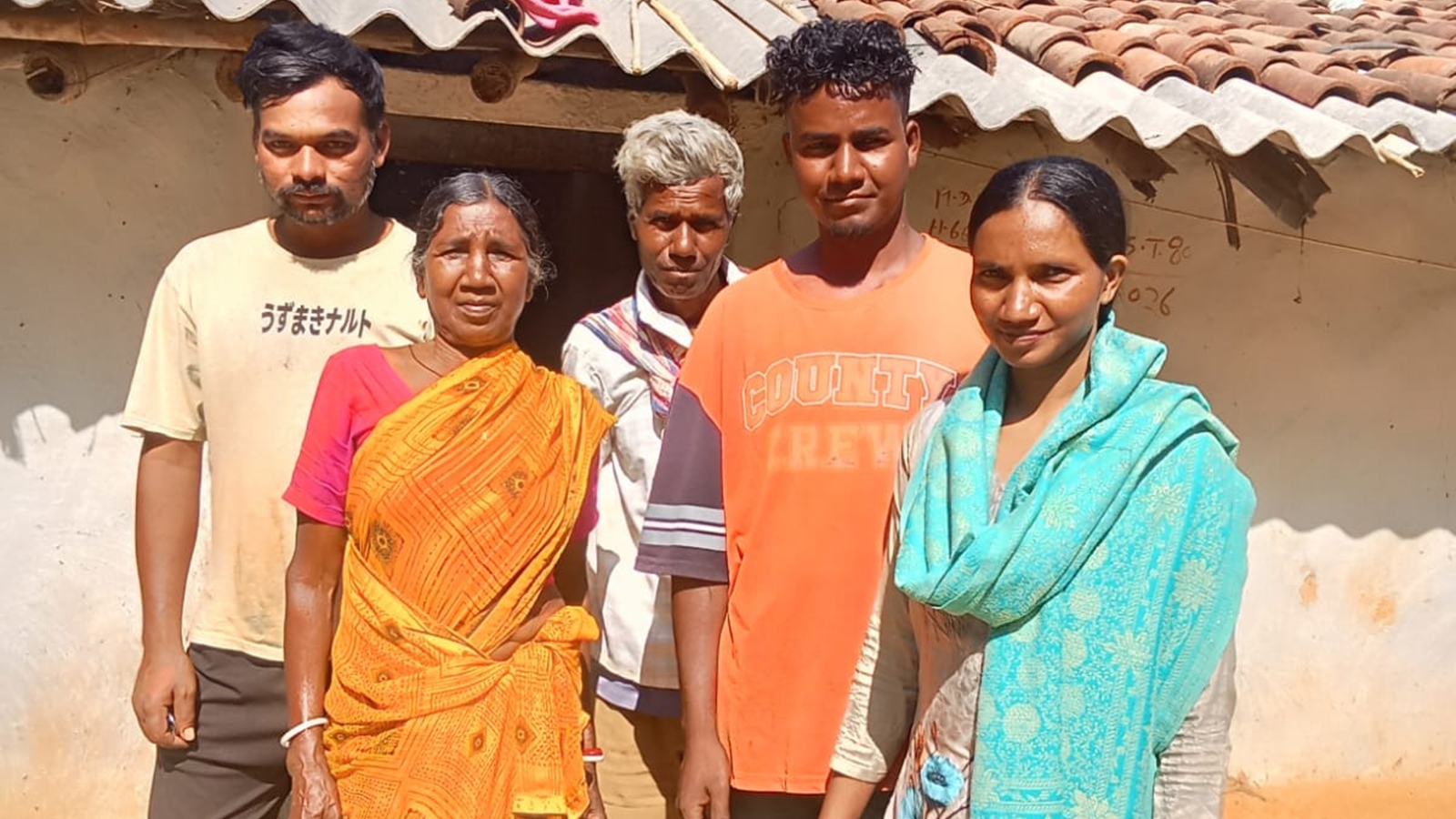
Sushma Toppo, a 29‑year‑old Adivasi woman from Lohardaga district in Jharkhand, travelled to Muscat in March after a local agent promised her a domestic‑help job with a monthly salary of Rs 25,000. The agent instructed her to lie at the Mumbai airport about her travel purpose, and upon arrival on 17 March, the placement office seized her passport, ID and phone. Toppo was placed in an employer’s house where she was overworked, denied rest and given leftover food. When her health worsened, she asked the agent to send her back. The agent demanded Rs 1.6 lakh for her release, and when her elder sister arranged a Rs 26,000 return ticket for 5 April, the placement office refused to let her leave and transferred her to another household without consent.
Unable to endure the conditions, Toppo fled on 18 May. While searching for the Indian Embassy, she met an Omani woman who offered help but allegedly confined her for nearly four months, forced her to work round‑the‑clock for Rs 10,000 a month, and blocked her phone contacts. Toppo managed to contact local church priests in Lohardaga, who lodged a complaint with the State Migrant Control Room on 1 September. Shikha Lakra, head of the Control Room, said the office and the Indian Embassy in Muscat began tracking her. The woman who had confined Toppo reportedly demanded 300 Omani Riyals (about Rs 74,000) to retrieve her passport from the previous sponsor, but even after payment, Toppo was not sent home.
On 13 September, the woman took Toppo to the Ministry of Labour office in Ruwi, where she was handed over to authorities on false accusations of robbery and prostitution. Toppo was held in a detention centre with 200–300 women from different countries for two months, with phones confiscated and only a five‑minute weekly call allowed. The Indian Embassy was informed on 16 September that Toppo was in the custody of Oman’s Ministry of Labour. Because her original passport was withheld, the Embassy issued an Emergency Certificate (White Passport) to enable her travel, and she returned to India on 14 November.
Lakra told The Indian Express that the department had been working on the case for three months, following a priest’s report from Lohardaga. She noted that several similar cases involving Adivasi women and other marginalised communities had come to their attention and called for a policy to regulate such activities and prevent future incidents.