India
Delhi Seeks World Bank Support for Regional Air‑Pollution Strategy
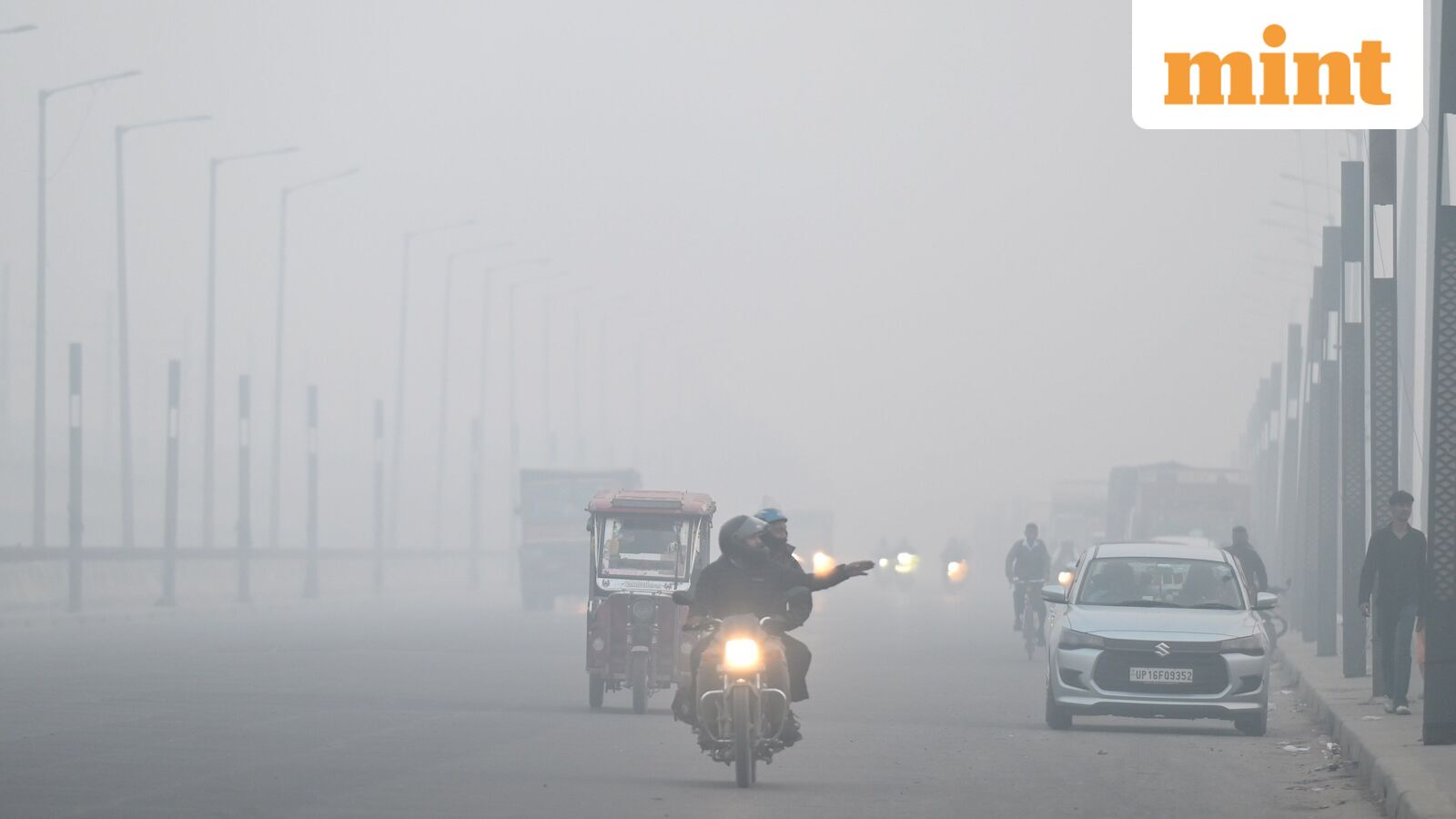
Delhi is exploring a regional approach to curb air pollution, moving beyond city‑focused measures to coordinate with neighbouring states. The Delhi government is in talks with the World Bank about adopting an airshed‑based strategy, recognizing that much of the capital’s pollution originates outside its limits. The discussions could lead to coordinated pollution‑control measures across Delhi, Haryana, Uttar Pradesh and other surrounding areas, targeting specific emission sources rather than relying on fragmented interventions.
The need for a broader approach was highlighted by a severe pollution episode on Diwali, 8 November, when Delhi’s 24‑hour average Air Quality Index (AQI) reached 376, classified as ‘very poor’ by the Central Pollution Control Board. An AQI of 0‑50 is considered ‘good’. An airshed is a geographical region where pollutants circulate across administrative boundaries, requiring states and districts that share the same air basin to coordinate action across transport, industry, agriculture and other emission sources.
A person familiar with the discussions said that pollution cannot be effectively controlled when responsibility for its sources is fragmented across central, state, district and municipal administrations. An airshed‑based approach could offer an alternative to Delhi’s reliance on emergency restrictions, which curb economic activity but have struggled to deliver sustained improvements in air quality.
A World Bank presentation from April 2024, titled "Improving Air Quality in East Asia and the Pacific," shows that Delhi has direct control over less than a quarter of the pollution concentrations it experiences. Restrictions on vehicles, construction and industrial activity within the capital may therefore have limited impact without parallel action in neighbouring regions. "A city may regulate construction dust and traffic emissions, yet continue to experience high particulate concentrations from nearby industrial clusters, brick kilns, agricultural burning or regional transport," said Aparna Roy, fellow and lead, Climate Change and Energy, at the Observer Research Foundation.
State‑wide measures may establish common standards but may not account for differences in emission sources and enforcement capabilities across districts. "Delhi, Haryana and Uttar Pradesh are all part of the same airshed. If you intervene in only one geographical area, you may not achieve the full potential impact," said Santosh Singh, managing director of Intellecap, the advisory arm of the Aavishkaar Group. Singh illustrated the potential benefits with a hypothetical example: if Haryana contributed 30% of Delhi’s pollution during peak months, reducing emissions in Haryana could significantly improve Delhi’s air quality.
Delhi’s discussions with the World Bank follow similar initiatives in Uttar Pradesh and Haryana, where the multilateral lender has approved nearly $600 million for clean‑air programmes covering a combined population of approximately 270 million. Uttar Pradesh plans to deploy 15,000 electric three‑wheelers and 500 electric buses, while Haryana intends to help approximately 2,000 micro, small and medium enterprises adopt cleaner technologies, alongside measures to reduce crop‑residue burning.
The initiatives point to a shift in India’s clean‑air strategy, from treating pollution as a municipal problem to recognising its regional dimensions. Delhi’s participation could strengthen this approach, but success will depend on translating state‑level commitments into measurable emission reductions on the ground.
The economic cost of Delhi’s recurring pollution episodes is heavy on public health and economic activity. Dr Vijay Hadda, a professor in the Department of Pulmonary Medicine and Sleep Disorders at AIIMS Delhi, described the city’s toxic post‑Diwali air in stark terms. "I am honestly surprised that we are still alive," he told ANI. The latest pollution episode brought another familiar round of restrictions. Union environment minister Bhupender Yadav announced a ban on construction and demolition activities across Delhi and the National Capital Region from 5 November to 20 November. But blanket restrictions also carry significant economic costs, particularly when they are not targeted at the sources contributing most to pollution. "We do not know whether shutting down all construction activity delivers the desired results. However, we do know that it adversely affects economic activity," said Prof. Sachchida Nand Tripathi, inaugural dean of the Kotak School of Sustainability at IIT Kanpur. Tripathi argued that better localized data and intelligent monitoring systems could help authorities identify pollution sources in specific areas.
An airshed‑based approach could make interventions more targeted, rather than relying on blanket restrictions across the capital. Implementing it, however, will require more than inter‑state coordination. Industrial clusters, agricultural districts, transport corridors and urban centres across the Indo‑Gangetic Plain have different emission profiles. An effective strategy would need district‑specific action plans, adequate funding and clearly defined institutional responsibilities, alongside common regional objectives.
"The real test for Uttar Pradesh and Haryana is whether an airshed‑wide strategy, backed by empowered local institutions, delivers sustained improvements in air quality," said Roy. "If successful, they could offer a model for other states across the Indo‑Gangetic Plain."
Frequently asked questions
What is an airshed?
An airshed is a geographical region where pollutants circulate across administrative boundaries, requiring states and districts that share the same air basin to coordinate action across transport, industry, agriculture and other emission sources.
What was Delhi's AQI during the Diwali pollution episode?
Delhi's 24‑hour average Air Quality Index reached 376 on 8 November, classified as 'very poor' by the Central Pollution Control Board.
What clean‑air programmes have been approved for Uttar Pradesh and Haryana?
The World Bank has approved nearly $600 million for clean‑air programmes covering a combined population of approximately 270 million, with Uttar Pradesh planning to deploy 15,000 electric three‑wheelers and 500 electric buses, and Haryana aiming to help about 2,000 micro, small and medium enterprises adopt cleaner technologies and reduce crop‑residue burning.