India
IAF Chief Says Force is Prepared to Deter China, Emphasizes Need for Rapid Indigenous Platform Induction
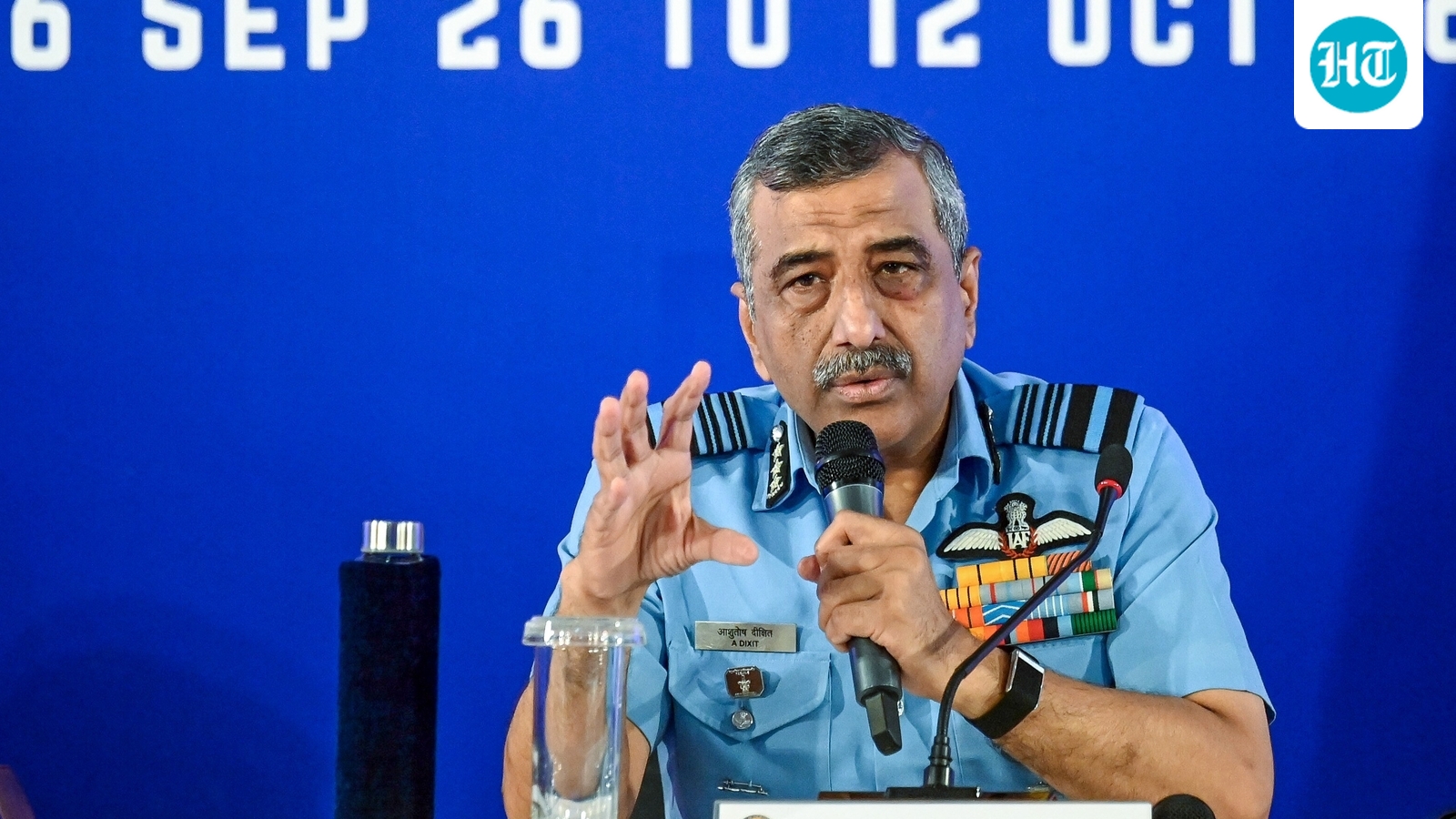
Air Chief Marshal Ashutosh Dixit told reporters on Monday that the Indian Air Force (IAF) is in a position to deter Chinese aggression, but the situation remains challenging. "Our plans are in place. We are inducting new technology. So with that, we are in an okay situation…not simple, but an okay situation to be able to deter this aggression," he said at the ANI National Security Summit. He added that the IAF is closely monitoring all adversaries and is ready for any shift from a ‘no peace, no war’ stance to offensive or defensive action. Dixit stressed the importance of quickly bringing indigenous platforms into service to increase numbers and weapon carriage capability. The IAF currently operates 29 fighter squadrons, while the sanctioned strength is 42.5. Since taking command on October 31, the chief has outlined a vision under the acronym VAYU—vigilance and readiness, self‑reliance, ingenuity, and unity of effort. He also highlighted the need to upgrade legacy equipment, noting that some upgrades are complete and others are underway, including a likely upgrade of the Su‑30. The Multi‑Role Fighter Aircraft (MRFA) process is progressing, with the IAF aiming to finalize the contract by the end of the 2026‑27 financial year. The MRFA would involve the purchase of 114 Rafale jets from France at a cost of roughly ₹3.25 lakh crore, with 18 fly‑away units supplied by France and the remainder manufactured in India by Dassault Aviation and a local partner. Twelve Rafales are expected to be built annually under the government‑to‑government deal.
Frequently asked questions
How many fighter squadrons does the IAF currently operate?
29 fighter squadrons.
What is the sanctioned strength of the IAF?
42.5.
How many Rafale jets will be purchased under the MRFA contract?
114 Rafale jets.