World
Iran Warns of Winter Gas Shortages Amid Infrastructure Damage
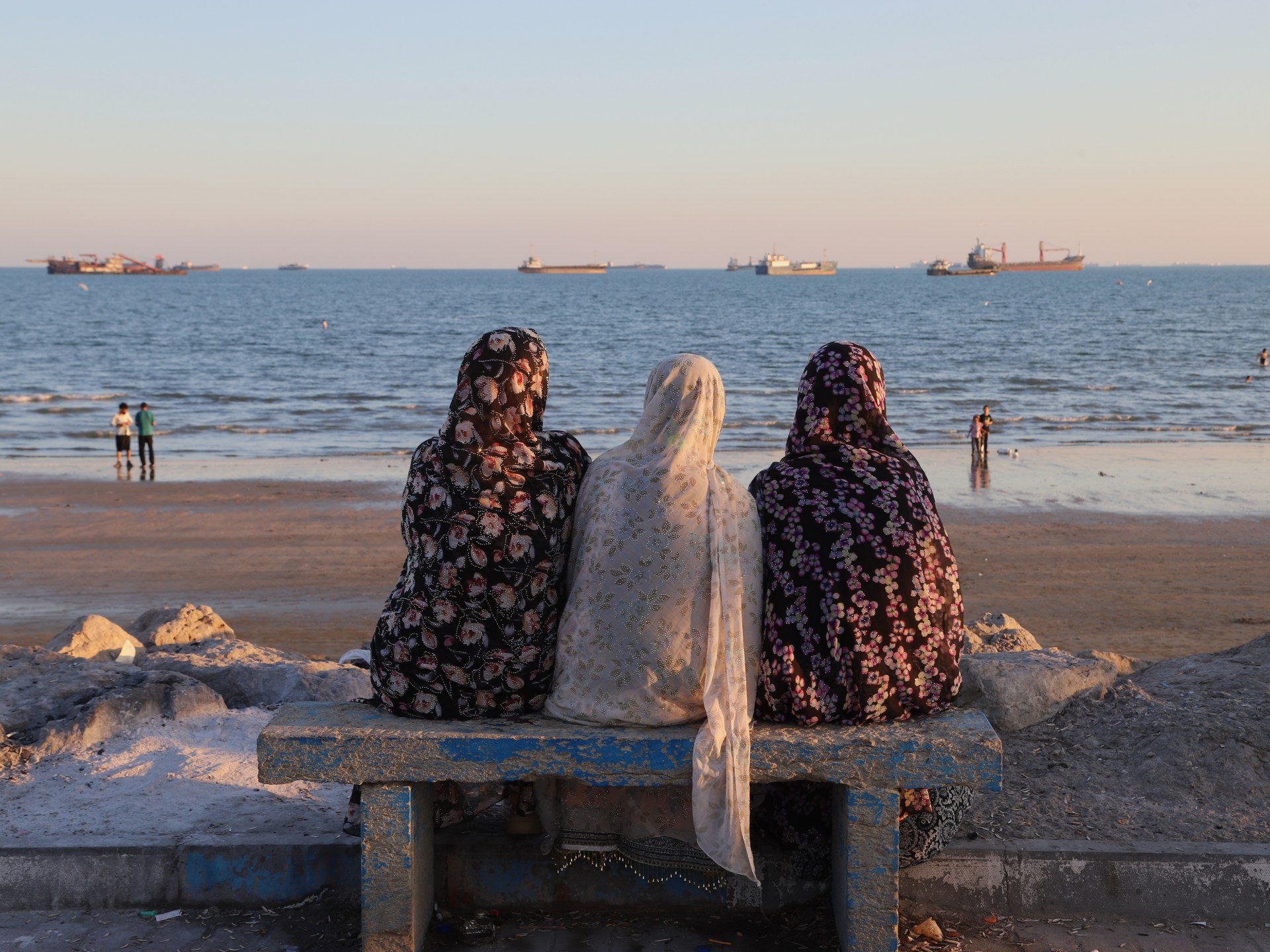
Iran is preparing for winter with warnings of natural gas shortages, as damage from U.S. and Israeli strikes deepens an energy imbalance that has long plagued the country. Tehran – Iran, which holds the world’s second‑largest proven natural gas reserves after Russia, has forecast a peak‑demand deficit of about 430 million cubic metres per day for the winter, a shortfall that could affect households and industry.
The country’s ageing energy infrastructure has suffered from underinvestment and international sanctions that limited finance and equipment. Authorities blame inefficient consumption and limited storage capacity, in addition to war damage. Saeed Tavakoli, head of the National Iranian Gas Company, told local media that 26 projectiles struck six refineries on March 18, cutting 28 percent of Iran’s gas production capacity immediately after the strikes. The government says about 100 million cubic metres per day of processing capacity has since been restored, but fully recovering the additional 130 million cubic metres lost in the U.S. and Israeli attacks could take until 2028.
Hashem Oraee, head of the Iranian Energy Associations Union, said Iran cannot rely on gas imports to fill the gap. Shortages could trigger electricity blackouts if gas‑fed power plants lose supply, a problem that has recurred in recent years. To avoid power cuts, plants burn mazut, a heavy oil that pollutes the air. Mostafa Rajabi Mashhadi, a deputy energy minister, told the state‑linked ILNA outlet that mazut burning will continue this year.
Umud Shokri, an energy strategist at George Mason University, warned that unresolved gas industry problems could affect industrial production, employment, inflation and living standards. “Iran’s biggest challenge is not a lack of resources but its inability to turn those resources into reliable supplies,” he told Al Jazeera.
Gas accounts for 73 percent of Iran’s energy mix, Tavakoli said. Household consumption reached 480 million cubic metres per day and is expected to rise sharply as the cold season approaches. Last winter’s peak consumption for households, businesses and small industries was 737 million. The National Iranian Gas Company identifies 11 of Iran’s 31 provinces as vulnerable to shortages this winter, especially northern provinces such as Mazandaran, Golestan and North Khorasan.
Government spokesperson Fatemeh Mohajerani warned that if consumption grows, gas might be cut off nationwide, including Tehran. “Unlike electricity, which can be reconnected quickly after being cut off, bringing back gas after a cutoff is a time‑consuming process,” she said.
The government says it will try not to let households or industries go offline due to gas shortages. On Saturday, the Zagros Petrochemical Company in Asaluyeh shut down a methanol production unit following directives from the National Iranian Gas Company. David Jalilvand, managing director at Orient Matters, said the industrial sector would bear the brunt of shortages as authorities prioritise households.
To save gas, the government has tasked affiliated bodies with reducing consumption by 20 percent. Offices must keep temperatures around 18 °C (64 °F), while homes are advised to maintain 18‑21 °C (64‑70 °F). Offices must also switch heating off on holidays. Inspections last week led to disconnections at the Education Ministry building and five other government buildings in Tehran that were not complying with the energy‑saving directives.
The government has also struggled with a petrol supply imbalance, imposing sporadic power blackouts to cover electricity shortfalls during summer and early autumn. It has raised petrol prices twice in less than a year and limited monthly petrol quotas for personal vehicles. Authorities have repeatedly asked Iranians to consume less, warning that more price hikes are possible.
An October directive required eligible civil servants to work from home at least two days a week and encouraged commuting without private cars on one day a week to reduce fuel consumption. First Vice President Mohammad Reza Aref said the country must explain the gas shortages to the public and ask for savings.
High‑consumption users have been told their gas prices will rise sharply if they do not reduce consumption. Jalilvand said developing the South Pars gasfield, the world’s largest offshore natural gasfield shared between Iran and Qatar, is crucial to keeping supply growth in line with domestic demand. He added that sustaining production growth increasingly depends on addressing technical challenges that require foreign investment and technology.
Hamed, who runs a small apartment hotel in Mazandaran, said his business experienced a drop in gas pressure last year, affecting heating, hot water and kitchen operations. He said he hopes the situation does not worsen this year.
Frequently asked questions
What is Iran's forecasted peak‑demand deficit for winter gas?
About 430 million cubic metres per day.
How much of Iran’s gas production capacity was cut by the March 18 strikes?
28 percent, equivalent to a loss of 130 million cubic metres per day, with 100 million cubic metres per day restored.
Which provinces are identified as most vulnerable to gas shortages this winter?
11 provinces, especially northern provinces such as Mazandaran, Golestan and North Khorasan.