Technology
Jensen Huang’s Path from Dishwasher to AI Powerhouse
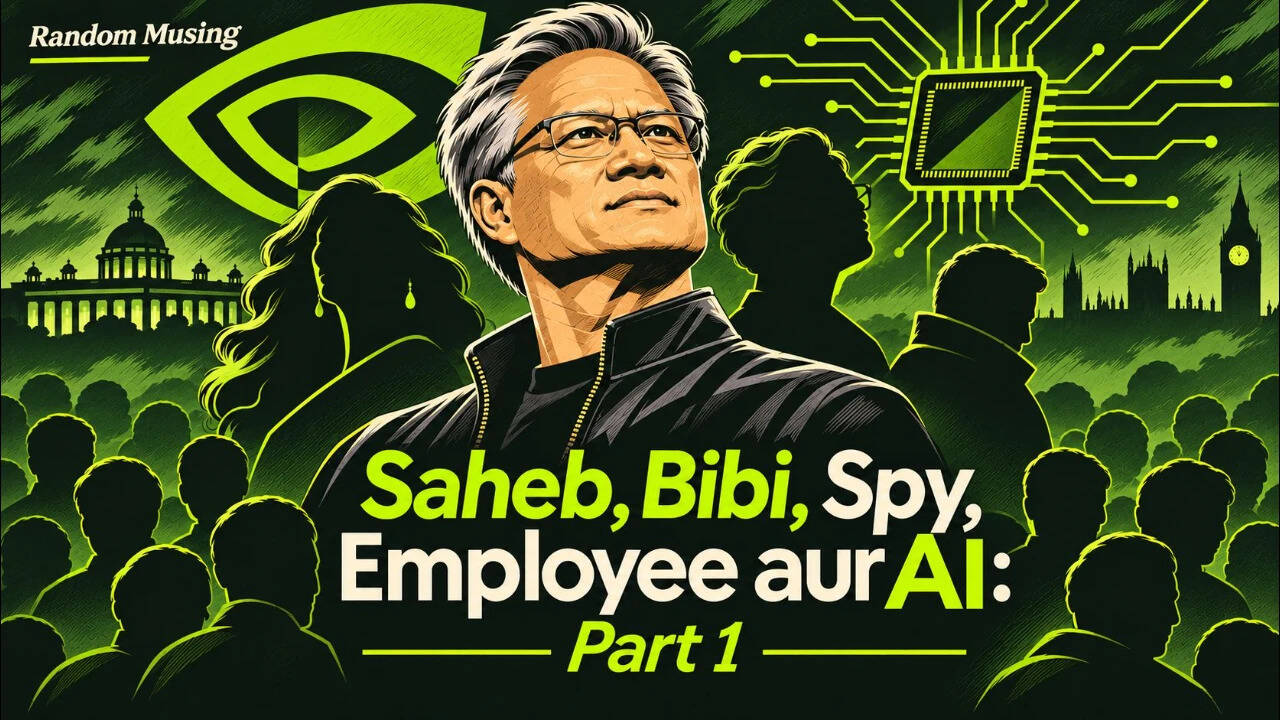
Jensen Huang, the founder of Nvidia, began his career as a dishwasher at Denny’s before attending a religious reform school in Kentucky. He later studied engineering at Oregon State and Stanford, worked at AMD and LSI Logic, and founded Nvidia in 1993. The company’s first product, the NV1, almost led to bankruptcy, but a $5 million investment from Sega allowed Nvidia to release the RIVA 128, saving the company. In 1999 Nvidia launched the GeForce 256, establishing the GPU market. In 2006 the company introduced CUDA, a software platform that enabled GPUs to perform non‑graphics tasks such as scientific computing and artificial intelligence. Nvidia’s GPUs were used in the 2012 AlexNet deep‑learning breakthrough, and the company shifted its focus to AI. By 2025 Nvidia’s market value reached $5 trillion, and a survey of more than 3,000 employees found that about three‑quarters were millionaires, with over a third worth more than $20 million. Huang’s early life included a relationship with Lori Mills, an electrical‑engineering student at Oregon State. They had two children, Madison and Spencer, who later joined Nvidia. The story of Huang’s rise to prominence and the challenges he faces is presented in a three‑part series titled “Saheb, Bibi, Spy, Employee aur AI.”
Frequently asked questions
What was Jensen Huang's first job?
He began his career as a dishwasher at Denny’s.
How did Nvidia avoid bankruptcy after the NV1?
A $5 million investment from Sega allowed Nvidia to release the RIVA 128, saving the company.
What milestone did Nvidia's GPUs achieve in 2012?
They were used in the AlexNet deep‑learning breakthrough.