Law & Justice
Supreme Court Affirms State Discretion Over Reserved Seat Rotation in Local Elections
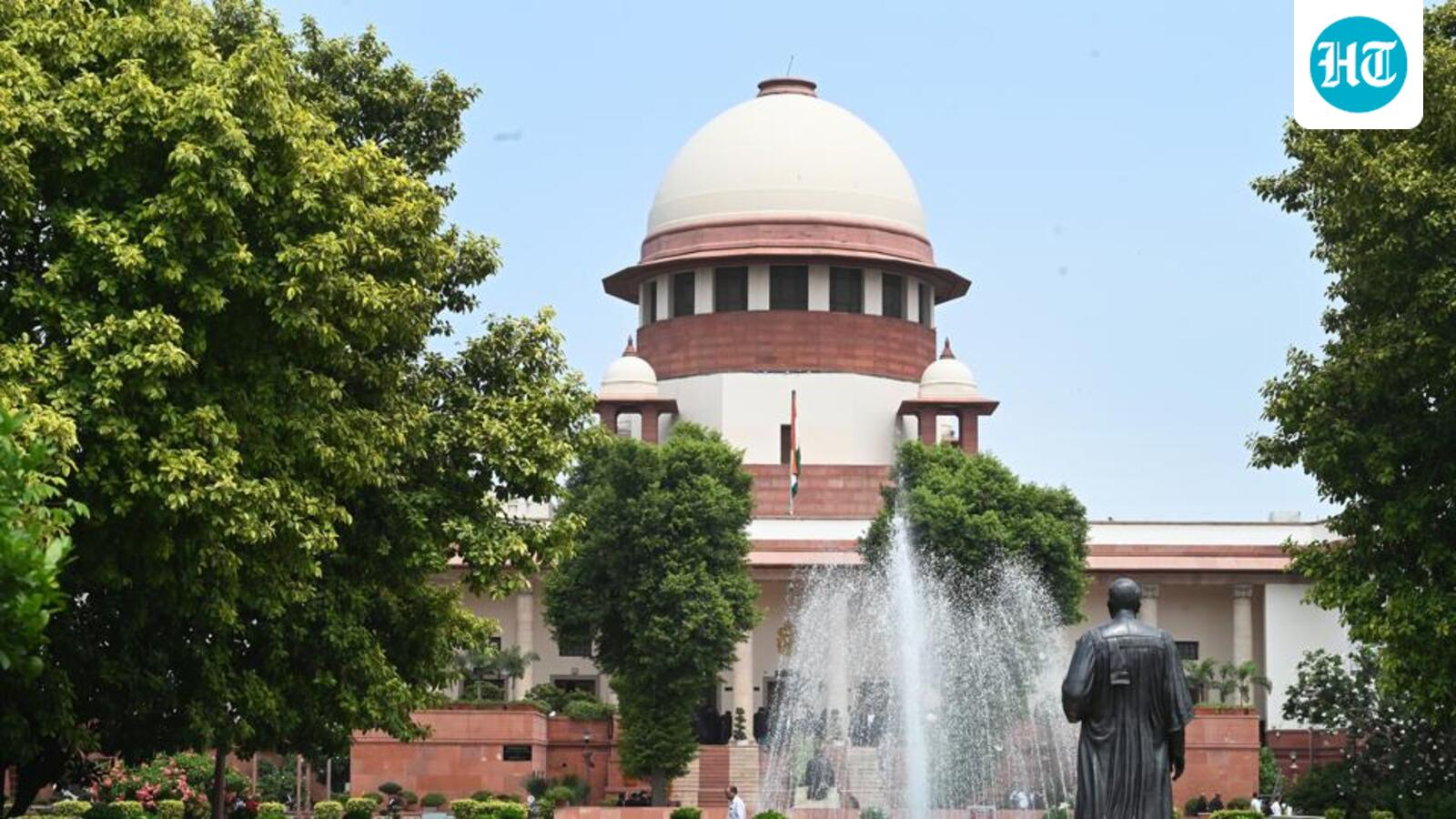
The Supreme Court ruled that no voter or candidate has a vested right to a specific constituency being reserved for Scheduled Castes (SCs) or Scheduled Tribes (STs). The court said the manner and timing of rotating reserved seats in local body elections are within the discretion of the state government. A bench of Justices Joymalya Bagchi and V Mohana dismissed a petition that challenged Rule 12 of the Maharashtra Zilla Parishads and Panchayat Samitis (Manner and Rotation of Reservation of Seats) Rules, 2025. The rule states that the next election after the 2025 amendment will be the starting point for determining the rotation of reserved constituencies. The petitioner argued that this reset the rotation cycle and denied a constituency an opportunity to be reserved. Senior advocate Vipin Sanghi, representing the petitioner, said his client’s constituency had never been reserved and was due for reservation in the next cycle, but the new starting point effectively prevented it. The court noted that the constitutional framework and applicable rules provide for rotation but leave the mechanism to the state government. “Rule 4(2) of 1961 Rules and Article 243(r) speak of rotation but the mechanism of rotation is within the discretion of the state government and that is where Rule 12 is within the jurisdiction of the state government,” the bench observed. Sanghi clarified that the petitioner was not questioning the validity of the rule itself but the manner in which the state applied it, alleging unfairness in changing the cutoff date when the constituency was due to be reserved. The bench questioned the premise of the argument, stating that there is no right to have a constituency reserved and that the cutoff date can be shifted by the government. The court acknowledged that the argument about resetting the rotation cycle was attractive but overlooked the absence of any individual right to have a particular constituency reserved. It reiterated that the Constitution and 1961 Rules prescribe a proportionate reservation of seats relative to the SC/ST population of the local body, but the manner and timeframe for implementing such reservation and rotation are matters within the government’s discretion. The bench found no reason to hold that Rule 12 ran contrary to constitutional principles and dismissed the petition filed by advocate‑on‑record Anagha S Desai. The petitioner, Rupali Indrabhushan Sonde, had previously challenged Rule 12 in the Bombay High Court, which dismissed her challenge in September 2025. The Supreme Court clarified that the dismissal does not prevent the petitioner from making a representation to the government seeking reconsideration of the rotation scheme in accordance with law.
Frequently asked questions
What did the Supreme Court rule about reserved seat rotation in local elections?
The Court held that state governments have discretion over the manner and timing of rotating reserved seats for SC/ST in local body elections, and no voter or candidate has a vested right to a specific constituency being reserved.
Which rule was challenged in the petition?
The petition challenged Rule 12 of the Maharashtra Zilla Parishads and Panchayat Samitis (Manner and Rotation of Reservation of Seats) Rules, 2025.
Which judges dismissed the petition?
Justices Joymalya Bagchi and V Mohana dismissed the petition.