World
FAA Ground Stop Highlights Need for Transparent Infrastructure Upgrades
By Umar Farooq
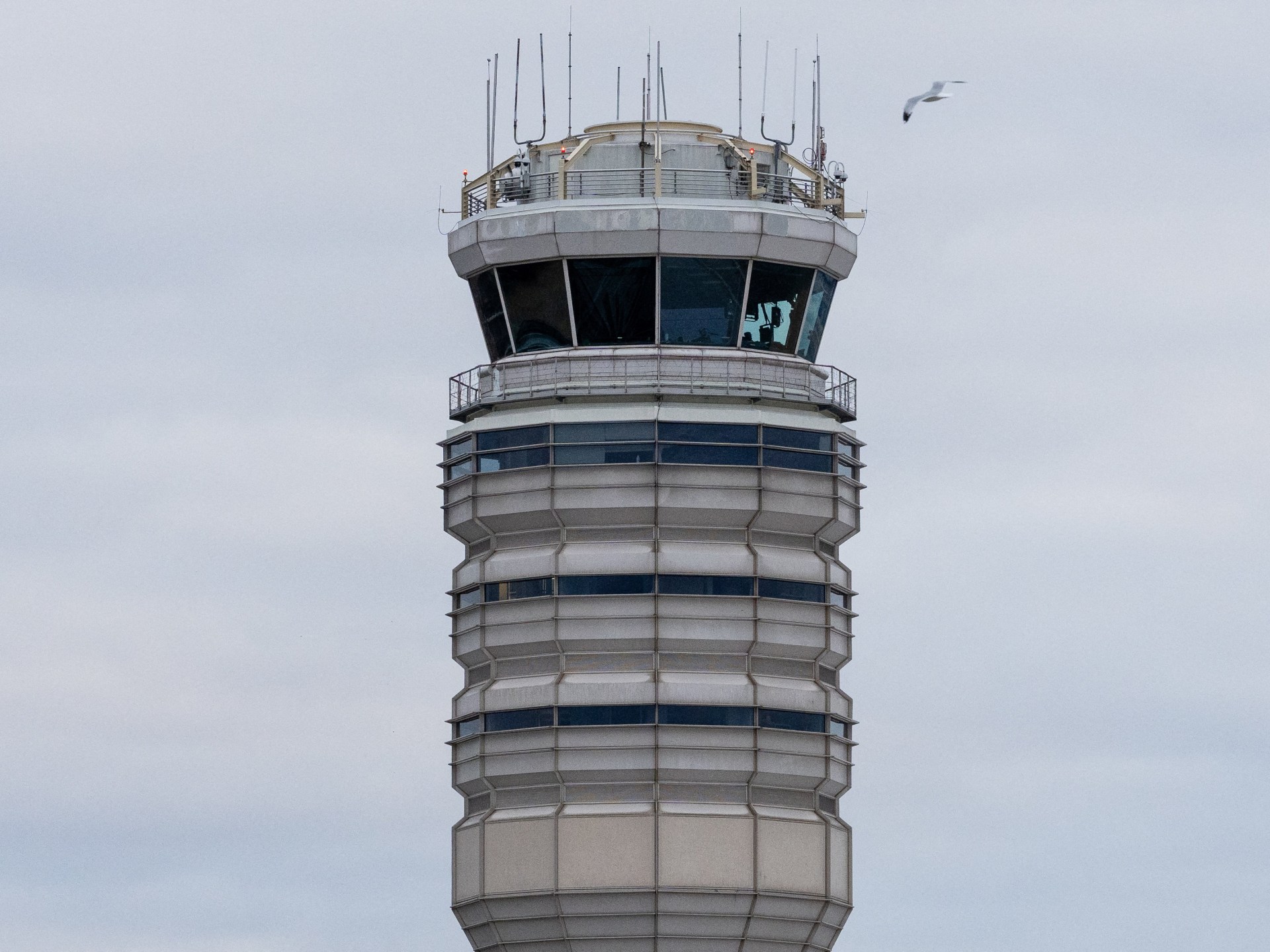
The Federal Aviation Administration grounded all U.S. flights for nearly four hours last Friday after a reported equipment failure, the second nationwide stop since 9/11. More than 9,000 flights were cancelled, leaving an estimated 1.5 million passengers stranded. Officials blamed the disruption on a malfunctioning router that had been installed during an upgrade of the FAA’s communication network. The router, which had begun sending 1,000 login attempts every few seconds, overloaded the system.
Transportation Secretary Sean Duffy told CBS News that the FAA is working to restore normal operations and that the agency should be running at full capacity by the end of the day. He said investigations are ongoing and that the problem began at a remote FAA location where workers from defense contractor L3Harris were replacing aging copper wire with fiber‑optic lines.
Duffy avoided blaming L3Harris outright, saying, “We have to do that investigation and make sure we take precautions.” He added that he prefers to move away from the company, which owns a significant portion of the FAA’s telecommunications infrastructure, but noted that the network cannot be cancelled.
L3Harris, formed in 2019 from a merger of the Harris Corporation and L3 Technologies, has been involved in the FAA’s network since 2002. The company said it is supporting the FAA’s probe and has already replaced 70 % of the system’s copper wire with fiber optics.
The incident has drawn criticism that the FAA’s infrastructure is aging. A September Government Accountability Office report identified 51 of 138 FAA systems as unsustainable and 54 as potentially unsustainable due to outdated technology. The report also noted that 58 systems had a critical safety impact.
Democratic lawmakers have called for transparency before the Trump administration spends more on upgrades. Representative Rosa DeLauro said the FAA has received significant investments but needs a competent partner to carry out work sustainably and transparently. She urged that no federal leader should operate without congressional oversight.
The FAA’s budget is not mandated by law, so Congress must approve funding each year. Congress allocated $12.5 billion for FAA upgrades in 2025, but the administration has committed to spending only $4 billion of that amount, with about $1 billion spent so far. Secretary Duffy has said the FAA needs at least $50 billion to address the issues highlighted by Friday’s grounding, a figure Democrats have described as a “ransom without a real plan to deliver.”
Frequently asked questions
What caused the FAA ground stop on Friday?
A malfunctioning router installed during an upgrade of the FAA’s communication network sent 1,000 login attempts every few seconds, overloading the system.
Which company was involved in the network upgrade that led to the grounding?
Defense contractor L3Harris was replacing aging copper wire with fiber‑optic lines at a remote FAA location when the router malfunction occurred.
How much funding has Congress allocated for FAA upgrades and how much has the FAA spent?
Congress allocated $12.5 billion for FAA upgrades in 2025; the FAA has committed to spending $4 billion, with about $1 billion spent so far.