Climate & Environment
Thwaites Glacier May Add Double the Expected Sea‑Level Rise by 2100
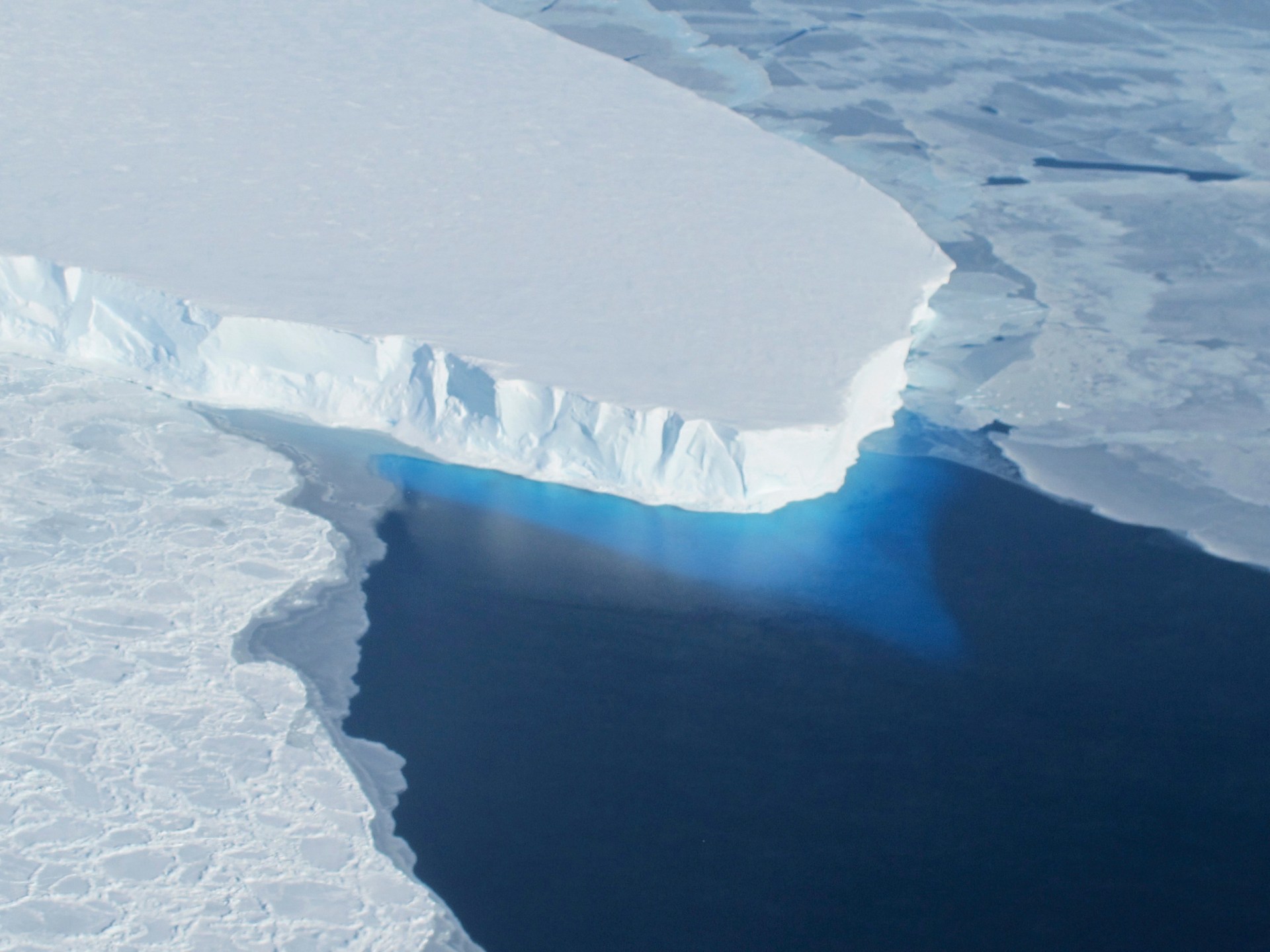
The Thwaites glacier in West Antarctica, the world’s largest glacier, is losing ice faster than previously thought. New research published in *Nature Communications* shows that warm seawater is melting the glacier’s core from beneath, potentially adding 1.2 inches (30 mm) to global sea levels by 2100 even if global warming does not accelerate further. The study, conducted by scientists at the University of California and NASA’s Jet Propulsion Laboratory, used computer models that reveal a broader “grounding zone” where seawater can lift and lower the ice, allowing warm water to reach deep beneath the ice sheet. This process could unpin the glacier from the Mouginot Ridge, a bedrock that currently stabilises it, with a 60 percent chance of happening by the end of the century. Thwaites, nicknamed the “Doomsday Glacier,” covers an area about the size of Senegal (192,000 sq km) and has been losing more than 1,000 billion tonnes of ice since 2000, at a rate of 50 billion tonnes per year. It currently contributes roughly four percent of all global sea‑level rise. A separate study by the British Antarctic Survey, published in *Geophysical Research Letters*, predicts that the glacier will continue to lose ice for at least the next 150 years, even under extreme ocean cooling scenarios. The findings underscore the importance of the Thwaites and other West Antarctic glaciers, which act as a barrier holding back the vast West Antarctic ice sheet; their collapse could raise sea levels catastrophically and threaten coastal cities worldwide.
Frequently asked questions
What is the projected sea‑level rise contribution from Thwaites Glacier by 2100?
The study indicates that warm seawater could add 1.2 inches (30 mm) to global sea levels by 2100 even if global warming does not accelerate further.
What is the chance that Thwaites Glacier will become unpinned from the Mouginot Ridge by the end of the century?
There is a 60 percent chance that the glacier will become unpinned from the Mouginot Ridge by the end of the century.
How much ice has Thwaites Glacier lost since 2000 and at what rate?
Since 2000, Thwaites Glacier has lost more than 1,000 billion tonnes of ice, at a rate of 50 billion tonnes per year.