Business & Finance
GST Council Proposes E‑Invoicing for Imported Services to Tighten Compliance
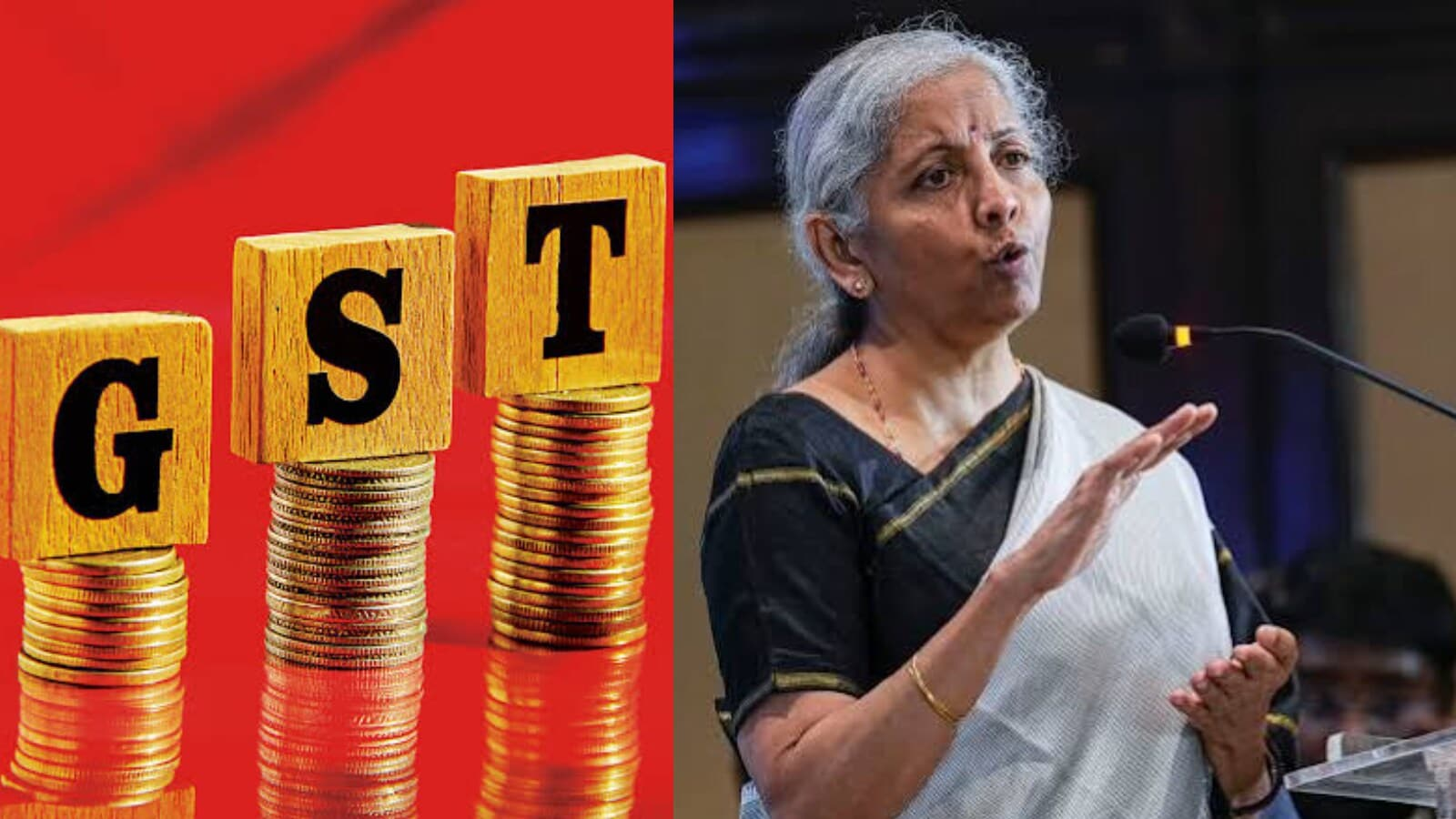
The 57th GST Council has recommended that businesses with an annual turnover of ₹5 crore or more may soon be required to use e‑invoicing for overseas software, cloud storage and consulting services. The proposal would extend the reverse‑charge mechanism to imported services and purchases from unregistered suppliers, bringing these transactions into a standardised e‑invoicing framework. Under current rules, Indian firms pay GST under reverse charge and issue a self‑invoice because foreign suppliers do not provide Indian GST invoices. The new mechanism aims to reduce mismatches between tax liabilities declared in returns and input tax credit (ITC) claimed, improving reconciliation between GSTR‑3B and GSTR‑2B. The detailed requirements, including how such invoices would be integrated into the Invoice Management System (IMS), have not yet been clarified. The changes could take effect from the April 2027 return period, after a time‑bound consultation and approval by Finance Minister Nirmala Sitharaman. Businesses may need to enhance invoice validation, supplier verification and accounting accuracy, though most existing accounting systems may not require replacement. The proposal is part of a broader move toward an IMS‑driven compliance framework, intended to improve reporting accuracy and reduce demand notices and system‑generated intimations arising from mismatches in GST returns.
Frequently asked questions
Which businesses will be required to use e‑invoicing for imported services?
Businesses with an annual turnover of ₹5 crore or more.
When could the new e‑invoicing requirement take effect?
It could take effect from the April 2027 return period, after consultation and approval by Finance Minister Nirmala Sitharaman.
What is the purpose of extending the reverse‑charge mechanism to imported services?
To bring these transactions into a standardised e‑invoicing framework and reduce mismatches between tax liabilities declared in returns and input tax credit claimed, improving reconciliation between GSTR‑3B and GSTR‑2B.